Intent
At St John & St James’ Primary School we believe that art inspires creativity, imagination and inventiveness and gives our pupils the skills, concepts and knowledge necessary for them to engage and express responses to ideas and experiences. It fires their imagination and is a fundamental means of personal expression. We encourage children to learn from and be inspired by the work of great artists from different cultures and understand the contribution art has made to society, both past and present. As pupils progress, we support them to be able to think critically and develop a more rigorous understanding of art and design.
Through art work in the classroom, the children at St John & St James’ have the opportunity to develop their skills in drawing, textiles, sculpture, painting, print making and collage. These areas are developed continuously throughout the school from foundation stage through to year six. We encourage children to express individuality in their work and to keep their own personalised sketch books where they can explore ideas, be inventive and take risks. Children experiment and explore use of colour, texture, form, pattern as well as the use of different materials, techniques and processes. Self and peer evaluation of work is encouraged and children are taught how to be reflective and analytical to improve their work and the work of their peers.
Children learn to appreciate works of art and use artistic language to describe paintings, sculptures and other art forms. We regularly enrich our Art curriculum with visits to London’s art galleries and make direct links to a wide variety of art forms through our half termly topics.
When children leave St John & St James, we expect them to have a wide range of well-developed art skills in the six areas of our curriculum that they can then build on and develop further as they continue in their education. We believe every child has an inner artist waiting to be unveiled.
Implementation
Early Years
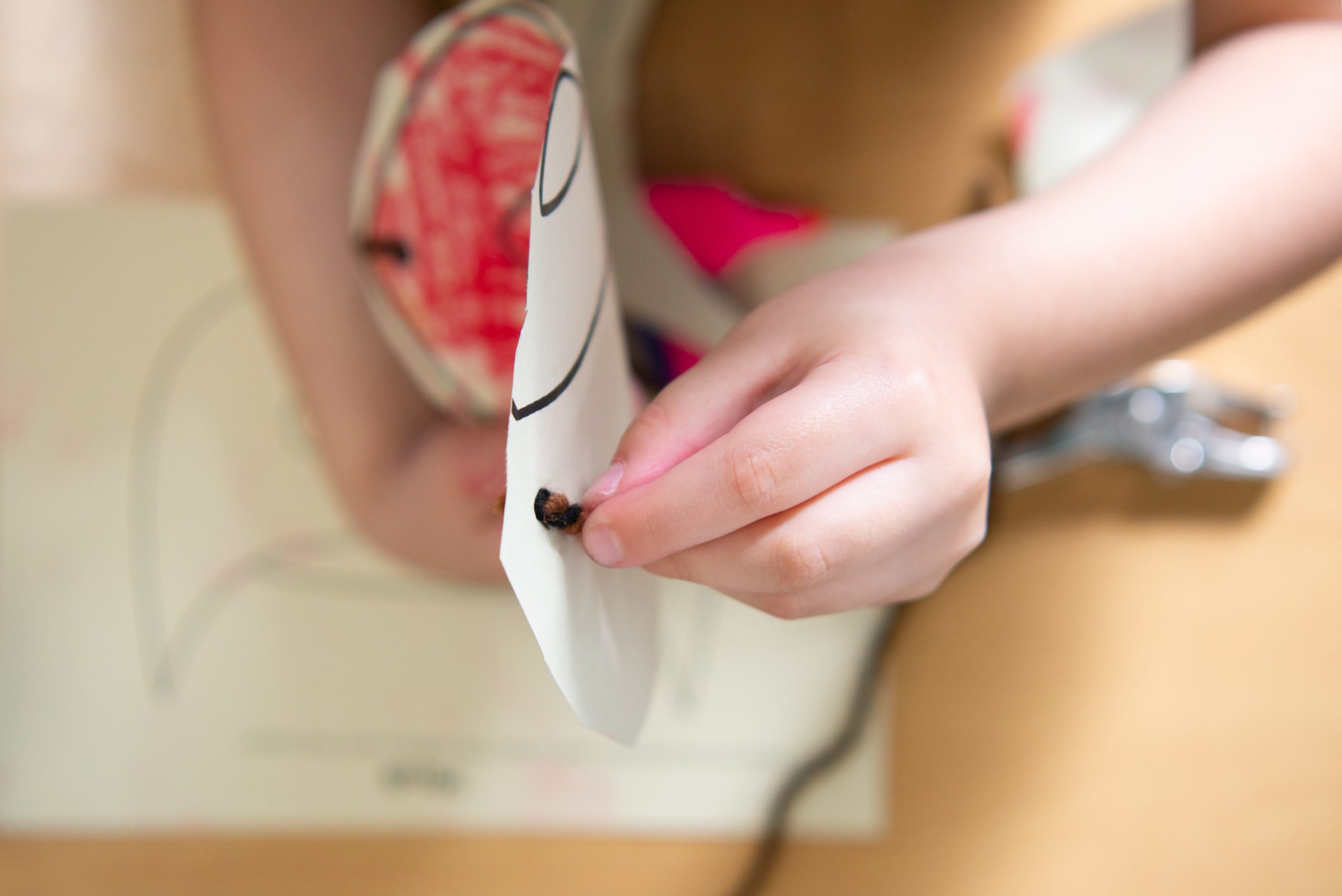
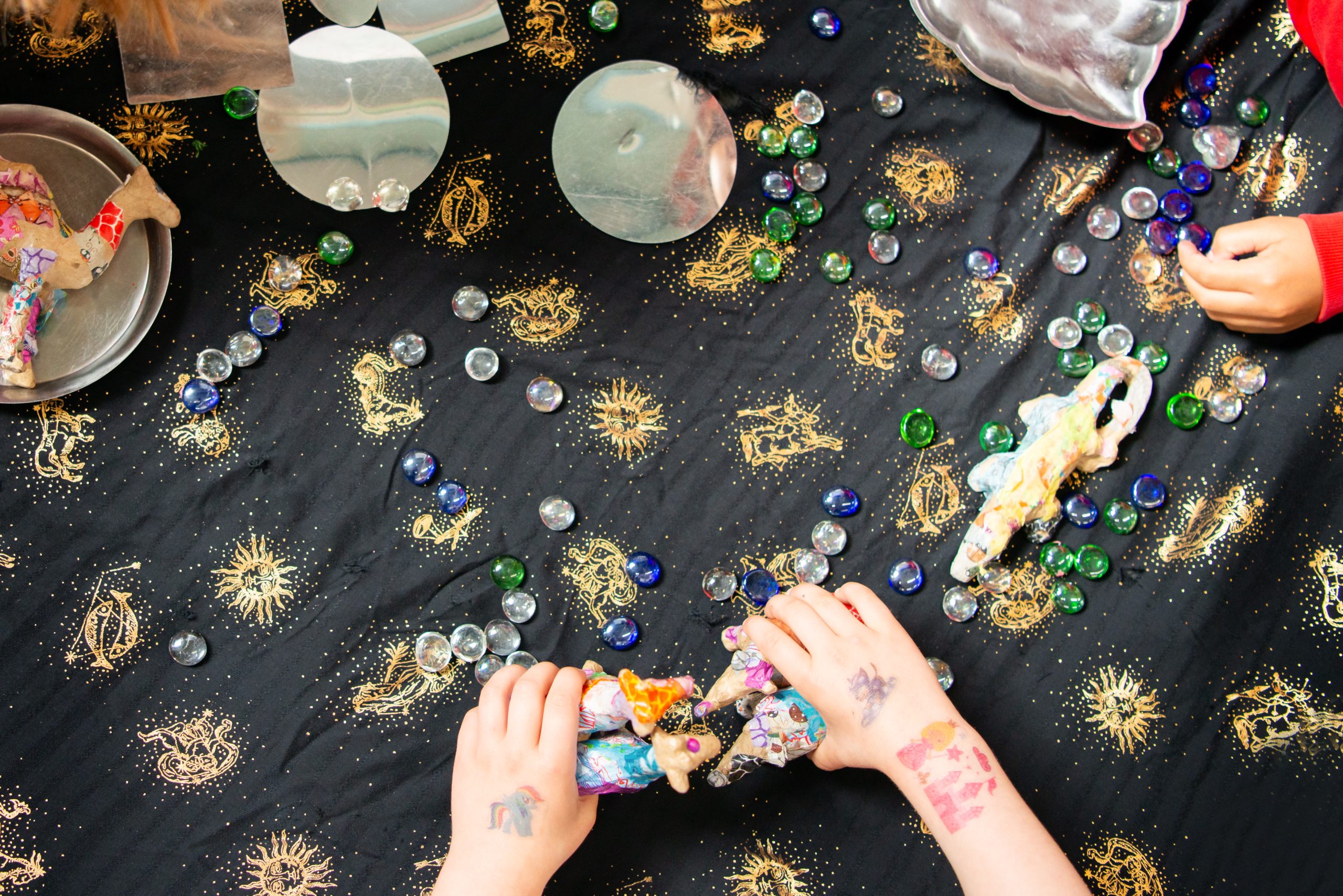
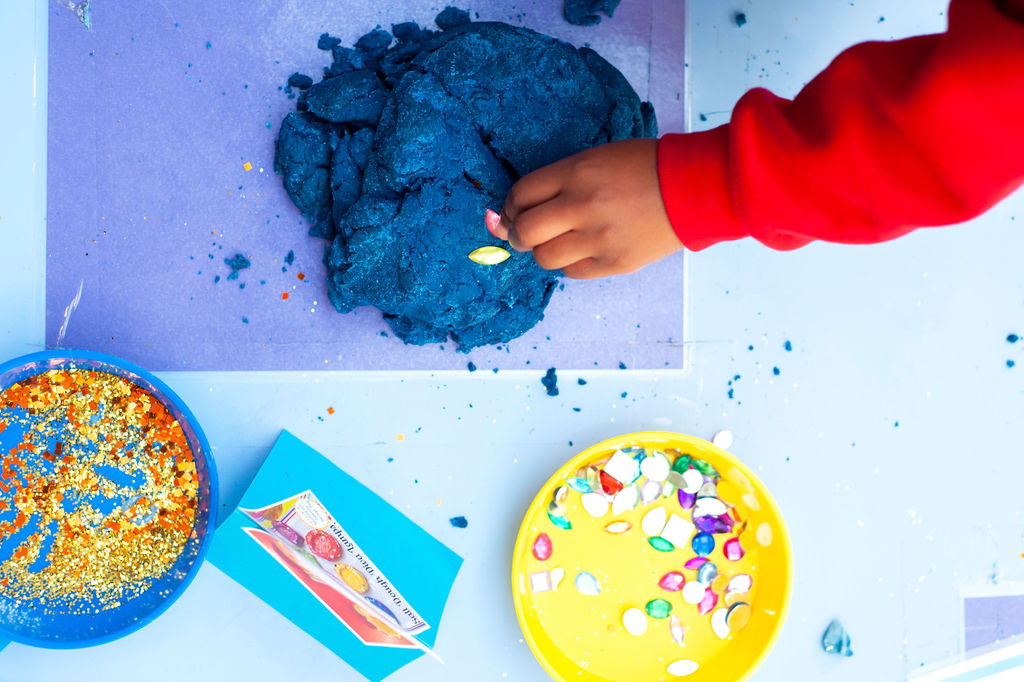
In Nursery, we focus on the skills of cutting with scissors, sticking with glue (PVA and glue stick), moulding with malleable materials e.g. playdough, colour mixing, printing and joining materials. As part of each 2 or 3 week Literacy unit, at least one adult led activity will support children to develop one or more of these skills. Making imaginative and complex small worlds using blocks and small world resources is also an art and design skill. All literacy units include an opportunity to build small world versions of the story. Children have this modelled with each new book unit and increase their independence with this skill across the year. Creating closed shapes with continuous lines, using shapes to represent objects and drawing with increasing complexity and detail are skills we support children to develop across the year both through free choice mark making in the provision and weekly guided drawing lessons linked to the literacy units.
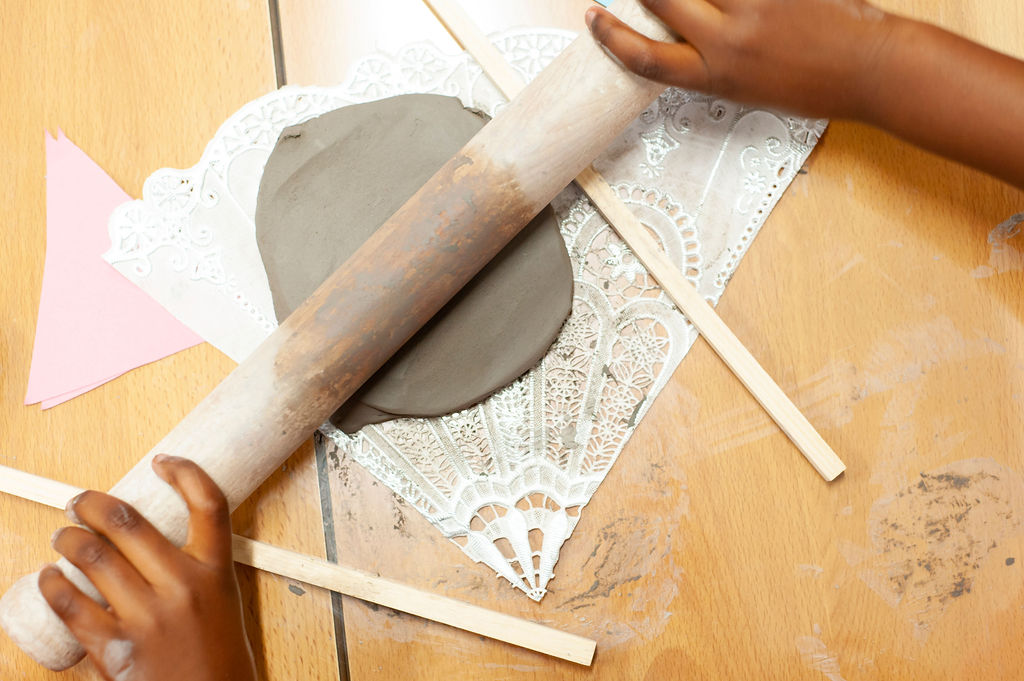
In Reception, children build upon the skills developed in Nursery. Children explore and access materials freely choosing what to create and what to use. They are taught to join with glue and tape, cut along lines and around shapes, manipulate malleable materials, use different materials to collage, colour mix with different paints and use different tools and materials to print. As in Nursery, art and design is planned linking to the class text. Children talk about shapes, colours and textures and reflect upon art created and techniques used. Children have the opportunity to use a range of media such as chalk pastels, building blocks, clay, mixed media collage, paper, natural materials, salt dough, cardboard boxes, water colours, fabrics and wool.
Throughout the year both Nursery and Reception are introduced to the work of different artists, linking to whole school themes, which they are supported to discuss and emulate.
Key Stage One and Two
At St John & James, art is taught four times across the year, in weekly blocks, focusing on a particular art form, for example drawing. Teachers use our art skills and knowledge progression map, along with a teacher unit plan to design a sequences of lessons across a week that will build on and develop the children’s skills culminating in a final piece.
The skills and knowledge that children will develop throughout each art topic are mapped across each year group and across the school to ensure progression. The emphasis on knowledge ensures that children understand the context of the artwork, as well as the artists that they are learning about and being inspired by. A similar focus on skills means that children are given opportunities to express their creative imagination, as well as practise and develop mastery in the key processes of art: drawing, painting, printing, textiles, collage and sculpture.
Each unit of work in Key Stage One and Key Stage Two follows the same sequence:
- Art History – The pupils are introduced to the art movement, the artist and the key painting, which will be used as inspiration for the pupils’ final piece.
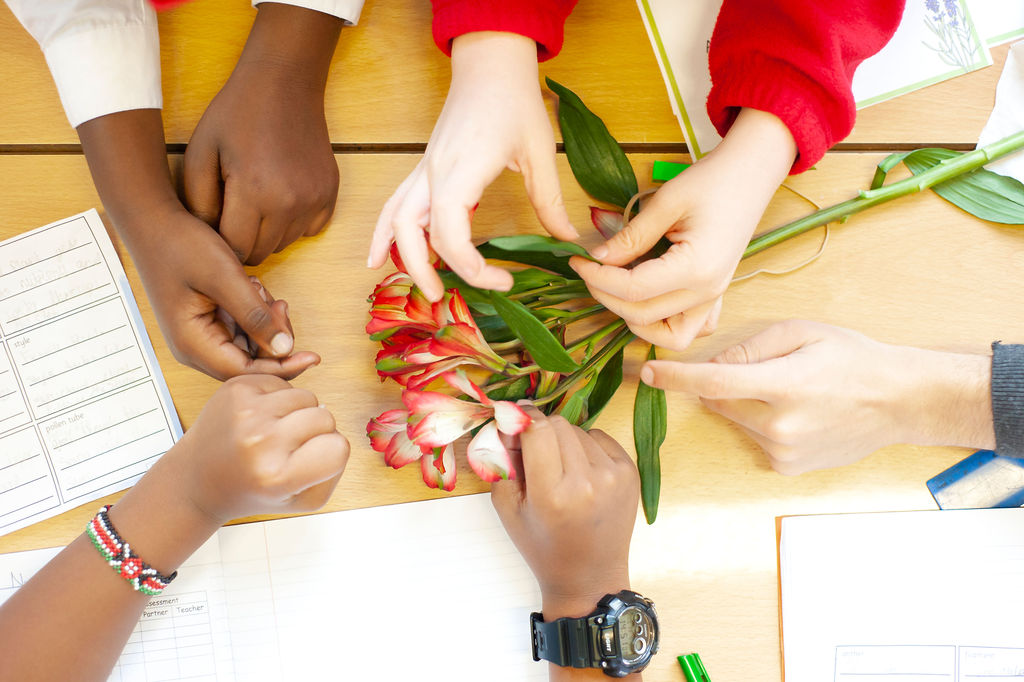
- Practising Skills – The pupils use their sketchbooks to practise artistic skills that have been used by the key artist and will be needed to produce their final piece.
- Producing a Final Piece – The pupils work independently to produce their own final piece, using the key artist and the key artwork as inspiration.
- Evaluation – The pupils provide feedback to others on their artworks and complete an evaluation sheet on their own final piece, reflecting on what they are proud of and their next steps.
Impact
The impact of our art curriculum can clearly been seen in the children’s sketchbooks. At the beginning of each unit, a detailed overview outlines the main learning objective alongside the skills that the children will build on and those which will follow. The opportunity to evaluate and reflect on the learning is planned for towards the end of the unit to enable the children to see how their learning is progressing and where they need to take it next. On completion of the unit of work, children are able to self-assess against them. Class teachers then use the children’s research and preparatory work, along with the final piece in order to make a judgement as to whether each child is working towards, or at the expected level.
Curriculum Maps